LooksLab guide
How to Glow Up: What to Do First + a 30-Day Plan
Learn how to glow up with practical skin, hair, grooming and style changes, an honest one-week checklist, and a 30-day plan to track your progress.
To glow up, start with tidy hair and grooming, clothes that fit, consistent sleep, and a simple skin routine with sunscreen. Choose one change you can make today and one habit to practice for the next month, then compare photos taken in the same conditions.
This guide is for adults 18 and over. A glow-up can mean looking more put together, finding a style you like, or taking better care of yourself. Pick a goal you can describe without a rating: “learn to style my hair” is a useful place to start.
Where do I start if I want to glow up?
Look at your everyday routine before making a shopping list. What have you been putting off: a haircut, washing off makeup, finding pants that fit, or going to bed on time? Start there.
Use this priority table to choose. The order, effort and cost labels are planning advice, while research findings describe specific outcomes rather than guaranteed results. “Free” means using what you already own; service and product costs vary.
| Change | When it shows | Effort | Cost | Evidence and best use |
|---|---|---|---|---|
| Hair styling, beard or brow tidy | Same day | One session, then upkeep | Free to salon cost | Grooming advice; start here if your usual style feels unfinished |
| Clothing fit and clean shoes | Same day | Try on and prepare outfits | Free; alterations optional | Styling advice; useful before an event |
| Consistent sleep | Lower attractiveness and health ratings after two short nights; recovery time not studied | Protect time nightly | Free | Photo experiment with 25 adults; prioritize if you cut sleep short |
| Appropriate acne treatment | Weeks to months | Follow directions consistently | Product or appointment cost | AAD guidance; relevant if you have acne |
| Regular movement | Weeks 1–4: build a repeatable routine; assess participation weekly | Several sessions weekly | Free to gym cost | CDC health guidance; track participation before appearance |
| More fruit and vegetables | Weeks | Meals and groceries | Food-budget dependent | Small observational study; details below |
| Growing out a haircut | Months for substantial length | Mostly patience | No special purchase needed | AAD educational handout |
| Daily sunscreen | Prevention over years | Brief daily step | Recurring product cost | Randomized trial; do this alongside quick wins |
If everything feels overwhelming: choose hair styling, evening face care and a regular bedtime. Keep that version for a week before expanding it. If you already do the basics, choose one specific experiment, such as a different part or outfit silhouette, instead of adding five products.
How do I glow up physically?
1. Make your skin routine simple enough to repeat
Start with a gentle cleanser, moisturizer as needed, and sunscreen. Keep products you already tolerate.
Before going outdoors, apply broad-spectrum, water-resistant sunscreen with SPF 30 or higher to skin not covered by clothing, following the label. For acne-prone skin, choose a sunscreen labeled “non-comedogenic” or “won’t clog pores.” See the AAD’s acne skin-care tips.
At night, remove makeup before cleansing. Use your fingertips and lukewarm water, then pat dry. Apply moisturizer if your skin is dry or itchy. The AAD’s Face washing 101 recommends washing up to twice daily and after sweating, and advises against scrubbing because it irritates skin.
If you are treating acne, write down the product and start date. Follow its directions or your dermatologist's plan. Resist switching treatments every few days; count treatment time from when you actually begin using it consistently.
In a randomized trial of 903 Australian adults under 55, daily sunscreen use slowed measured skin aging over 4.5 years. Hughes et al., 2013.
When to get help: Deep, painful or scarring acne, or acne that persists despite treatment, deserves a dermatologist's advice rather than another beauty challenge. The AAD's acne guidance also recommends seeking help when acne makes you uncomfortable.
2. Work with the hair you have now
Choose a cut or styling method you can reproduce on an ordinary morning. Bring a stylist photos with hair texture and length similar to yours, and explain how much maintenance you want.
For a starting point, try the free face shape detector. It compares face-outline proportions with six styling profiles. Use the result to explore options: height on top is a common styling suggestion for a round outline; more width at the sides is often suggested for a long one. Those are conventions to try, not rules you have to obey.
No haircut budget? Experiment with your part, how you arrange the front, or a simple tied-back style. Take a photo of the version you like so you can repeat it.
Choose a style that works at your current length while you grow it out.
3. Finish the small grooming jobs
Choose a manageable weekly slot to clean and trim nails, brush brows into place, and maintain facial hair if you wear it. Keep brow shaping conservative while you work out what you like.
Showering, fresh clothes and your usual deodorant can be the whole body-care routine. Body-hair removal, nail polish and fragrance are optional. Pick the finish you enjoy maintaining; there is no need to turn every part of your body into a project.
4. Try on complete outfits
Make two outfits from your own closet: one everyday look and one for going out. Check them sitting, walking and standing. Look for pulling buttons, a waistband you keep adjusting, sleeves that get in the way, or hems dragging on the ground.
Try a tuck, a different pairing or a hem adjustment before buying replacements. Clean the shoes you will actually wear. Add one accessory if you like it.
For presentation, stand comfortably with your head level and shoulders relaxed. Try gentle stretching or a movement break after sitting. Treat this as comfort and styling advice, not a way to reshape your face or a proven attractiveness treatment.
5. Include your teeth without making whitening mandatory
Keep brushing and cleaning between your teeth in your daily routine. If you want whitening, ask your dentist what suits your teeth and follow product directions. Whiteners can cause sensitivity and do not whiten caps, veneers, crowns or fillings. ADA MouthHealthy.
In a photo-rating study by Magda and Goodwin, undergraduate raters judged smiling faces more attractive than nonsmiling faces; that finding is about photo ratings, not a rule that you must smile.
6. Give sleep, food and movement a place on the calendar
Sleep: For ages 18–60, the CDC recommends at least seven hours daily; the ranges are seven to nine for ages 61–64 and seven to eight for 65+. Choose a regular bedtime and wake time, and set aside a wind-down period. CDC sleep guidance.
Movement: Build toward 150 minutes of moderate activity weekly and muscle-strengthening activity on at least two days, as the CDC recommends. Brisk walking counts. If you are starting from very little activity, begin with a short walk and increase gradually.
Food: Plan regular meals and include fruit and vegetables you enjoy. Try adding fruit to breakfast or vegetables to your usual lunch. One study of 35 people linked increased fruit and vegetable intake with changes in skin redness and yellowness over six weeks. It was not a randomized feeding trial, and its appearance finding was limited to white participants. It does not establish an acne cure. Whitehead et al., 2012.
Water: Keep water available with meals and during your day. Leave a specific “glow-up liters” target off the checklist; do not use extra water as a skin treatment.
Weight loss is not a requirement. Facial fullness was associated with attractiveness judgments in a face-perception study, but that does not establish that everyone would look better thinner. If weight change is already an appropriate goal for you, read the guide to facial fullness, fat and realistic expectations before setting a face-specific target.
How do I glow up mentally without adding another long routine?
Give yourself one goal outside appearance: finish a book, return to a hobby, learn a skill or make time for a friend. Put it on the same calendar as your grooming appointment.
For stress, choose an activity you find restful, such as a quiet walk, a short meditation, music or journaling. You do not need to do all of them. A useful journal prompt is: “What felt good today, and what would make tomorrow easier?”
Spend time with people around whom you feel comfortable. Mute accounts that turn every feature into a problem to fix. Practice showing up for plans without waiting until you feel finished with your appearance.
At your weekly check-in, count actions you kept and activities you enjoyed. If you missed a day, resume at the next opportunity. There is no need to restart the month.
How do I glow up as a guy?
Start with the same skin, sleep and clothing basics. Then make the haircut and facial hair work together. Choose clean-shaven, even stubble or a beard based on the coverage you have and the upkeep you want.
Our beard guide by face shape and coverage gives specific options for round, long, square and patchy-beard situations.
Bring a barber a practical request: the shape you want, where your beard grows well, and how often you will trim it.
How do I glow up as a girl or woman?
For adult women, use the same foundation and choose optional styling changes that suit your preferences. Try brushing brows into place, a different part, or a simple makeup look with products you already use.
If you wear makeup, practice one detail at a time: concealer where you want coverage, brow definition, mascara or lip color. Photograph each version in the same light and keep the one you like. Makeup and hair removal are choices, not completion requirements.
The female looksmaxxing guide covers more detailed makeup and hair techniques and a longer plan. You can borrow from either branch here regardless of gender.
How can I glow up in a week?
Use seven days to get ready, with grooming and styling doing most of the visible work. Here is a practical schedule for an event:
| Day | One main job |
|---|---|
| 1 | Pick your goal, take baseline photos and set your bedtime |
| 2 | Test a hairstyle or get your planned haircut |
| 3 | Tidy nails, brows and facial hair as you prefer |
| 4 | Try on the full outfit, including shoes |
| 5 | Rehearse hair and optional makeup using familiar products |
| 6 | Prepare clothes and essentials; leave the evening unhurried |
| 7 | Repeat the look you practiced and follow your usual skin routine |
Keep regular meals, movement and face care underneath that schedule. Avoid turning the week into seven new treatments.
You can change presentation in a week. Do not make clear acne, substantial hair growth or a newly sculpted body the deadline. Keep those goals separate from the event so you can enjoy the improvements already within reach.
What should I do for a 30-day glow-up?
Use this sequence of manageable tasks to turn your two goals into weekly milestones.
| When | What to do | Milestone |
|---|---|---|
| Day 0 | Take front and side photos. Write down current products and sleep habits. Choose one appearance goal and one routine goal. Optional: check your face shape once to choose a haircut direction. | Baseline saved; two goals written |
| Days 1–7 | Establish face care and bedtime. Complete one grooming or outfit change. Start a manageable movement habit. | A repeatable morning and evening routine |
| Days 8–14 | Keep the basics. Schedule movement, prepare a few regular meals and choose an enjoyable activity with someone. | Activity slots and meals planned |
| Days 15–21 | Review what you actually kept doing. Move an inconvenient habit to a better time. Practice one hair or makeup technique if wanted. | One obstacle removed; no unnecessary product additions |
| Days 22–28 | Repeat the routine. Maintain grooming and revisit your outfits. Note skin comfort and any changes in breakouts. | Enough notes to assess consistency |
| Days 29–30 | Retake the baseline photos in the same setup. Compare your two goals with what happened. | Decide what to keep, simplify or investigate |
For example, if your goals are “learn to style my hair” and “stop skipping evening face care,” success means a hairstyle you can repeat and a routine you use. Neither goal needs a lower weight or a higher face score.
If the plan feels too large, keep your original three basics. For a longer progression after this month, the 12-week softmaxxing plan covers the next stage.
If you want help organizing what to focus on, LooksLab offers AI face analysis plus a week-by-week glow-up plan.
How do I track a glow-up, and what can actually change?
Take your day-0 and day-30 photos with the same camera, lens, distance, lighting, head position and expression. Mark the phone and standing positions if that helps. Use a neutral expression, no filters and no makeup for the skin comparison. Take styled photos separately.
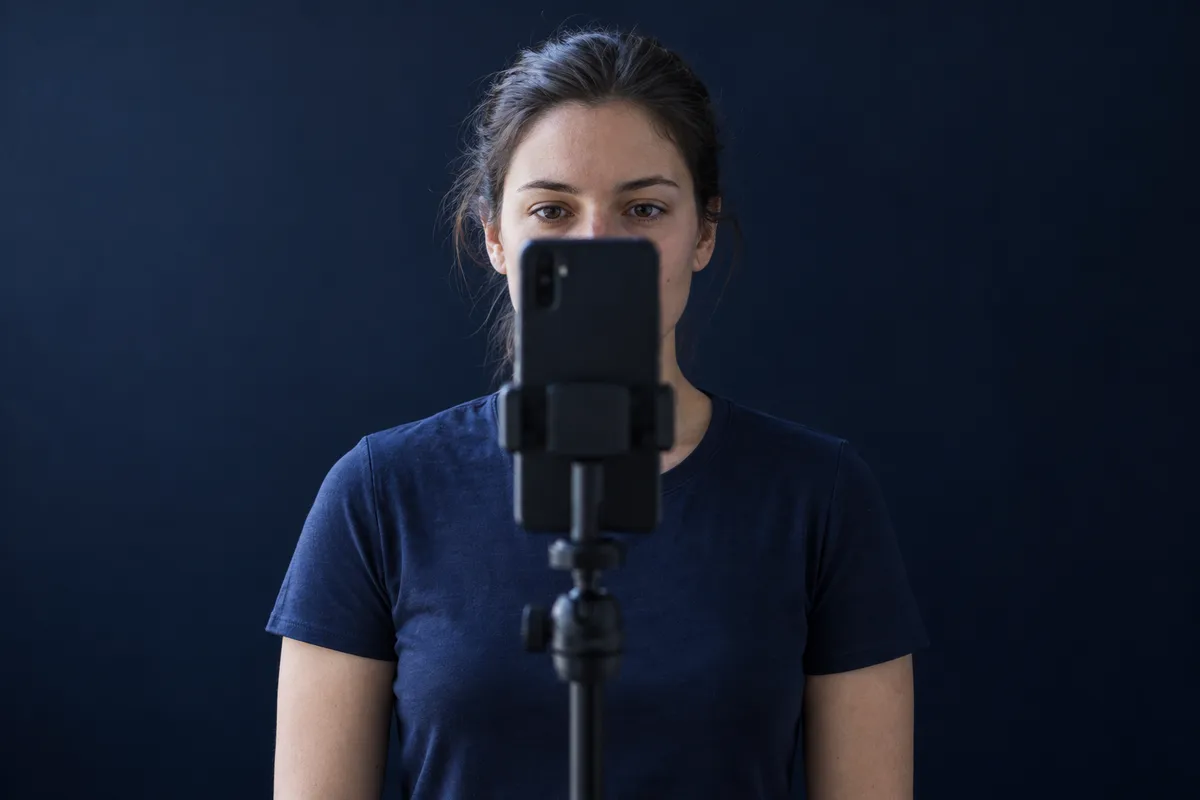
Use the front-and-side photo setup guide to make the comparison repeatable. If one photo is closer or has stronger shadows, retake it before deciding something changed.
Compare specific things: the haircut's outline, grooming, visible breakouts and clothing fit. Keep a brief note on comfort and effort too. A routine worth keeping should fit your life.
| Area | What to work on | Routine limits and tool limits |
|---|---|---|
| Face outline | Haircut and beard framing; body composition where appropriate | Cannot reshape adult facial bones |
| Eye area | Brow grooming and optional makeup | Cannot change the actual eye-corner angle |
| Feature spacing | Hair and brow framing | A routine cannot change eye spacing or structural nose and face proportions: the test’s averageness ratios |
| Skin | Appropriate care and treatment | Not measured by the landmark tools; judge it in matched photos |
| Facial balance | Even grooming and consistent photo conditions | Cannot exercise away structural asymmetry |
Our free attractiveness test and factor breakdown use facial landmark geometry: averageness ratios, feature placement, symmetry and, for men, jaw-to-cheek proportion. Averageness carries 50% of the men’s and 45% of the women’s formula weight. These are the app’s formula weights, not research estimates of what makes someone attractive. The web test does not measure skin evenness or facial fat; it leaves those factors out and rescales the measured weights. Tool scores are app estimates from one photo.
That means better skin, a haircut or a new outfit may leave the number unchanged. Use the test for structural context, not as the month's pass mark. Likewise, the canthal tilt test measures the angle between eye corners; a more polished eye area is a different goal.
Review photos at the planned checkpoints and habits weekly. If your skin goal needs longer, continue appropriate care rather than treating day 30 as a failure.
Which glow-up hacks should I skip?
- Mewing: It does not work as a way to reshape your jawline. The American Association of Orthodontists says there is no current research showing a jawline benefit. Leave tongue-pressure exercises out of your plan.
- Jawline gum: Skip chewing routines marketed as facial sculpting. Our guide explains the evidence on chewing gum and jawlines.
- Gua sha or facial massage: Skip these as sculpting methods; the evidence covered here does not establish that they reshape the face or remove fat. Keep them only as an optional relaxing ritual if you enjoy it, and do not count an immediately different photo as proof of fat loss.
- Detox teas and lemon water: Skip drinks marketed as a facial transformation. If you enjoy lemon water, choose it for taste; leave “detoxing” off your progress checklist.
- Crash diets: Do not use a seven-day event or a day-30 photo as a reason to skip meals or chase a weight target.
- Aggressive scrubbing and product stacking: Follow the gentle routine above instead of trying to force faster skin results.
What belongs on a daily glow-up checklist?
Keep this in your notes. Check off actions, not how attractive you feel that day.
- Morning: Face care, sun protection, teeth, hair and clean clothes.
- During the day: Regular meals, water available, and your planned movement.
- Evening: Remove makeup if worn, cleanse, moisturize as needed, and follow any treatment directions.
- Before bed: Make time to unwind and keep your sleep schedule.
- Weekly: Maintain grooming, plan activity and meals, and make room for a hobby or someone you enjoy.
How long does a glow-up take?
Hair styling, grooming and clothes can change your presentation the same day. Use the first week to settle into a sleep schedule and the first month to practice your routine. With acne treatment that works for you, some improvement may appear in 4–6 weeks; clearing can take 2–3 months or longer, according to the AAD. Scalp hair grows about half an inch per month, and growth slows with age, according to an AAD handout (third-party copy). Sunscreen’s skin-aging benefit is prevention over years. For movement, use weekly activity goals; the evidence above does not establish a body-transformation deadline.
You can start at any adult age. Choose changes relevant to your life now, and let your own goals determine when you have done enough.
Sources
- AAD: Acne treatment timelines, acne skin care and sunscreen, face washing, hair-growth handout, hosted copy.
- CDC: Sleep recommendations and adult physical activity.
- Sundelin et al. (2017): Restricted sleep and facial appearance.
- Magda and Goodwin (2008): Smiling faces and attractiveness ratings.
- Hughes et al. (2013): Sunscreen and skin-aging prevention.
- Whitehead et al. (2012): Fruit, vegetables and skin color.
- Coetzee et al. (2009): Facial adiposity and perception.
- ADA MouthHealthy: Teeth whitening.
- American Association of Orthodontists: Mewing and jawline claims.